PERIODIC SMOKE INSPECTION PROGRAM (PSIP)
Annual self-inspection requirements for commercial vehicle fleets
What is PSIP?
The Periodic Smoke Inspection Program (PSIP) requires fleet owners to conduct annual smoke opacity testing on their heavy-duty diesel vehicles and maintain records of these inspections.
While PSIP is primarily designed for California-based fleets, out-of-state carriers (including Canadian operators) must demonstrate equivalent compliance or risk citations during roadside inspections.
Note for 2025: With the Clean Truck Check program now in effect, PSIP is being phased into the new HD I/M framework, but testing and documentation requirements remain critical.
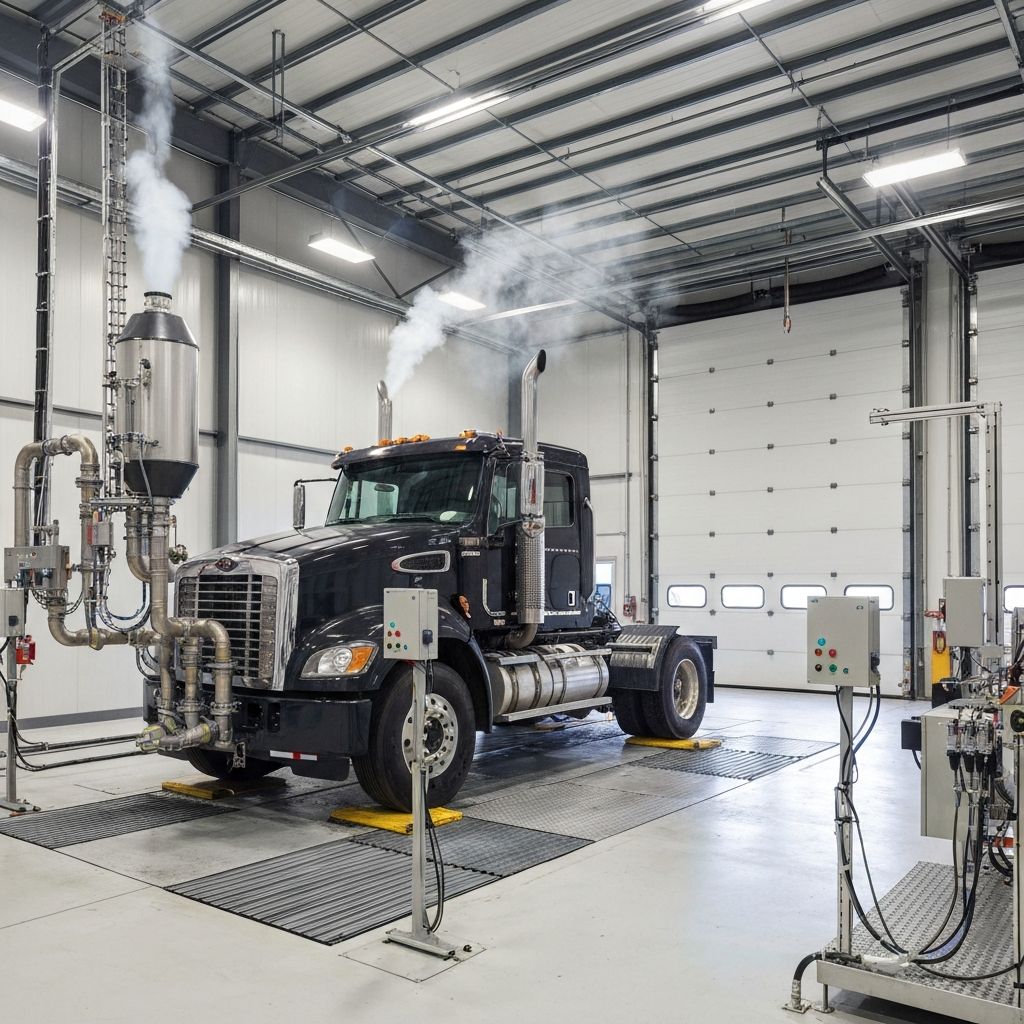
PSIP Requirements
All covered vehicles must undergo annual smoke opacity testing using SAE J1667 procedures.
Maintain test records for a minimum of 2 years, available for inspection upon request.
Submit annual PSIP report to CARB documenting test results for all covered vehicles.
Vehicles failing smoke tests must be repaired and retested within 30 days.
Smoke Opacity Limits
| Engine Model Year | Opacity Limit |
|---|---|
| 1991-1993 | 50% |
| 1994-1997 | 40% |
| 1998-2006 | 30% |
| 2007 and newer | 15% |
Vehicles exceeding these limits must be repaired and retested within 30 days.
PSIP Violations & Penalties
For Canadian Carriers
While you cannot directly participate in California's PSIP reporting system, you need equivalent documentation to avoid citations:
- Annual smoke opacity test results for all vehicles entering California
- Documentation from a certified testing facility
- Proof of any repairs made to vehicles that initially failed